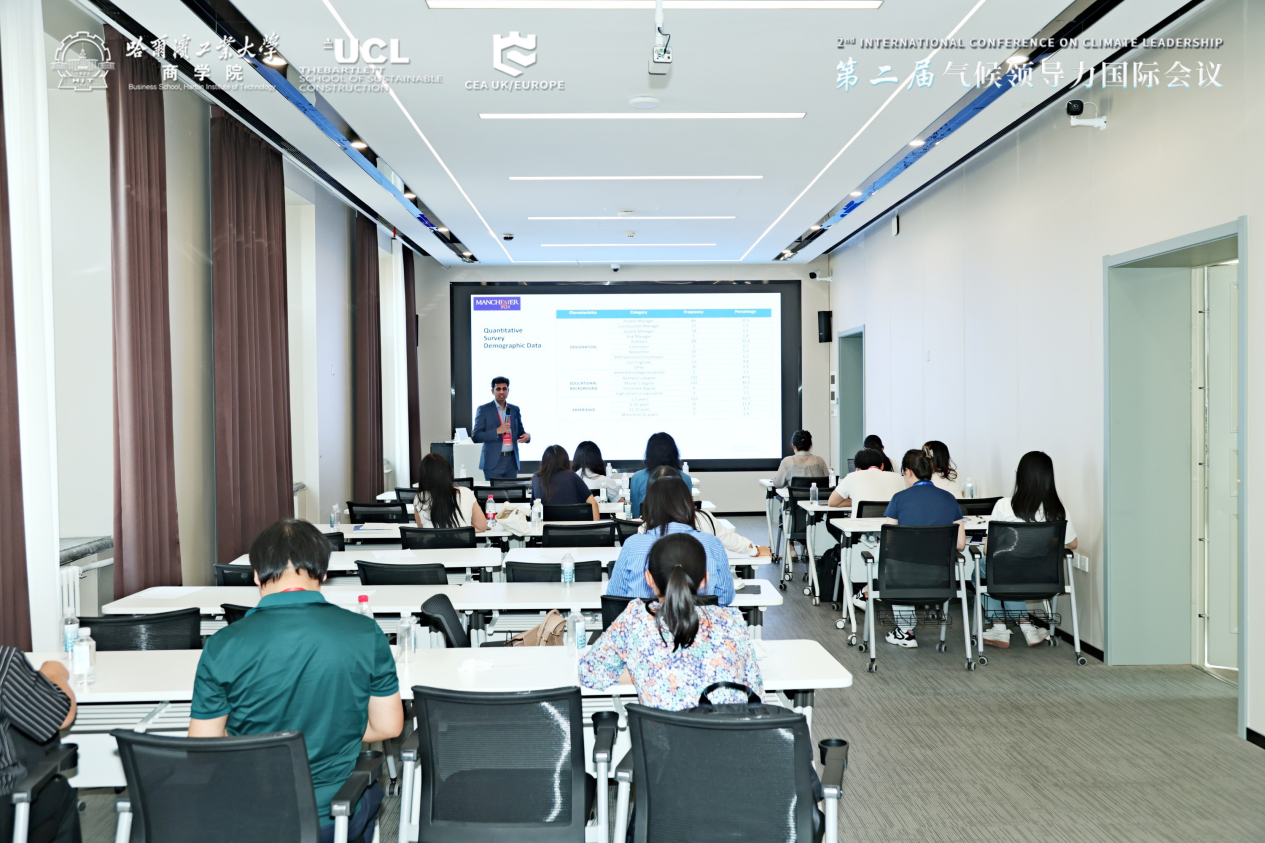
The Second International Conference on Climate Leadership was recently held at Harbin Institute of Technology. The parallel forum on "Climate Change Impacts and Vulnerability Responses" convened in two sessions, examining climate risk impacts and governance responses from the perspectives of public health, urban governance, agricultural production, energy transition, social behavior, digital communication, climate finance, and sustainable construction. More than 20 experts and scholars participated.
Air Pollution and Public Health Equity
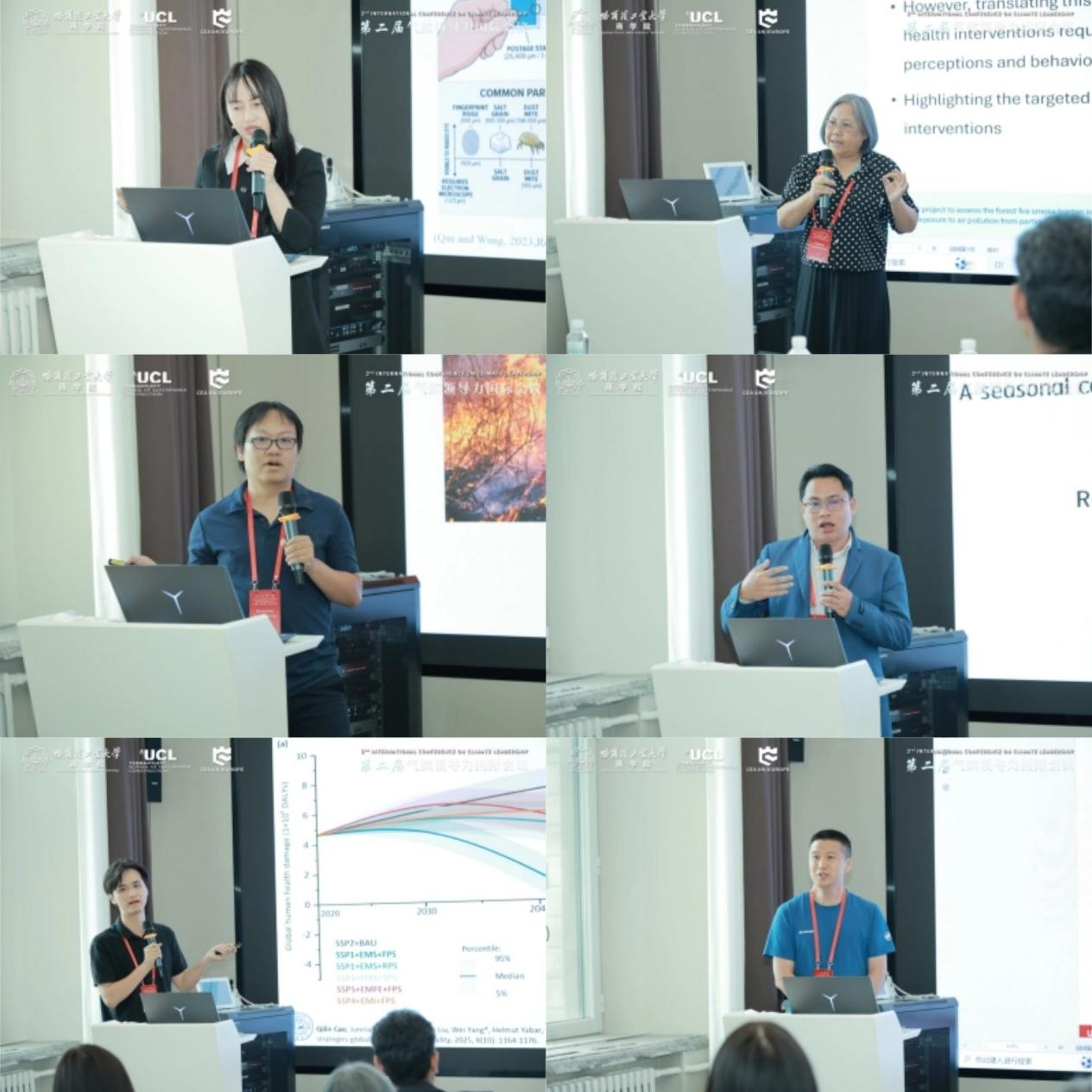
The forum opened with the health impacts of air pollution and equity in pollution governance. Research from a "One Health" perspective found that Particulate Matter 2.5 exposure is associated with elevated risks of multiple diseases and also affects plants, animals, and aquatic organisms; climate change exacerbates pollution, requiring coordinated policies across forestry, land use, agriculture, and public health. Residents have limited understanding of chronic risks and air purifier maintenance, and low-income households face housing and cost constraints; community clean-air spaces should be established and integrated into equitable governance frameworks.
High-Efficiency Particulate Air filtration in childcare facilities improves indoor air quality and children's respiratory health, though energy consumption, filter toxicity, and exposure outside facilities require assessment. Homemade air purifiers significantly reduce dust in both the heating season and smog season, with higher protection efficacy in the smog season, though seasonal averages still exceed national standards; maintenance protocols and operational guidelines are needed. Climate-adaptive cities significantly improve the elderly health index, through channels including water and drainage systems, building ecology, social interaction, and public awareness, though benefits for low-income and very elderly individuals are limited; resilience investment needs complementary safeguard measures. Global waste management shows that population, income, education, and aging create differentiated governance needs; reduction, recycling, and disposal measures should be configured by development stage.
Extreme Events and Socioeconomic System Resilience
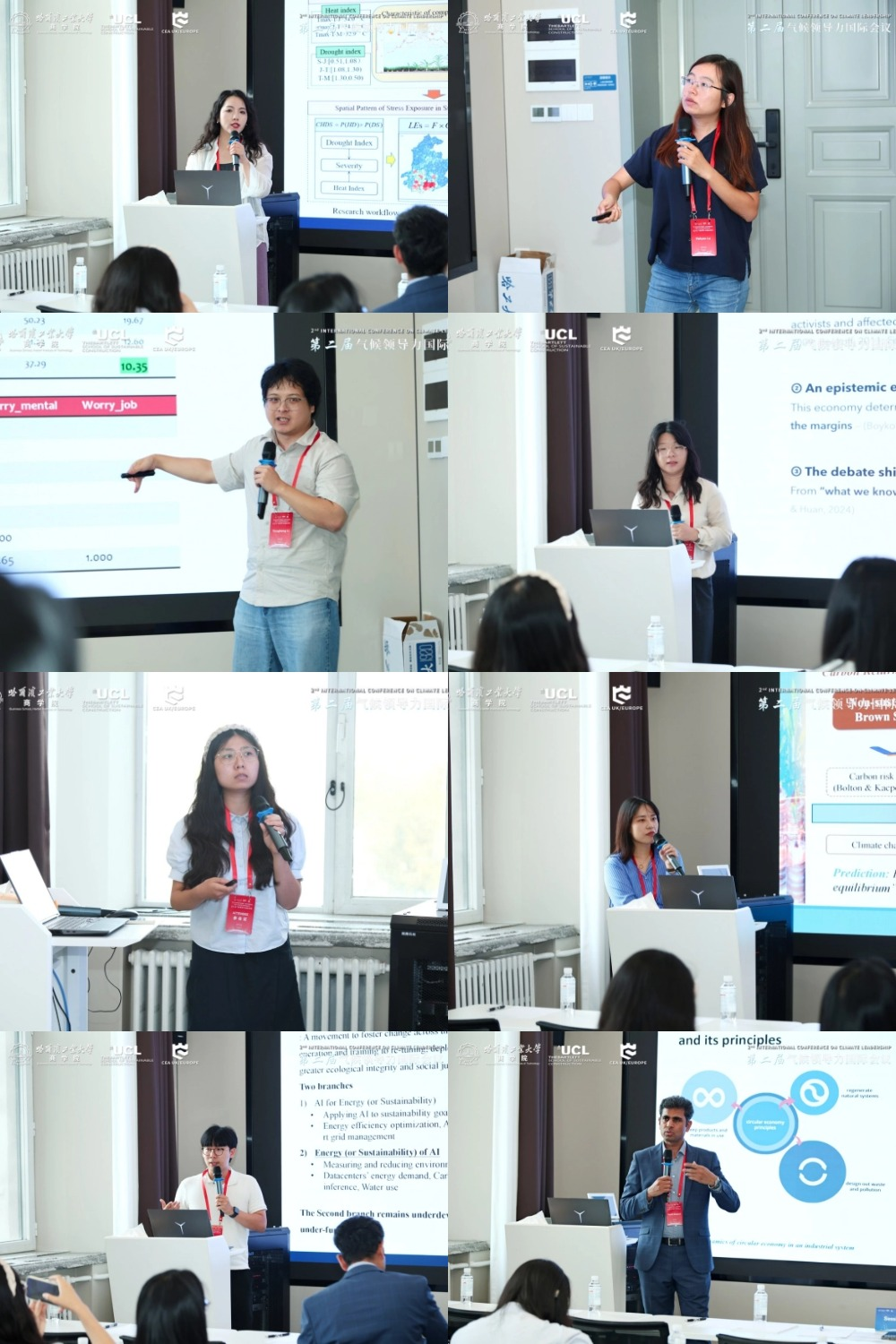
Compound extreme events and their impacts on socioeconomic systems were the forum's central theme. Under carbon neutrality scenarios, population exposure to compound heat–drought events is projected to rise in the latter half of this century, with several-fold increases under high-emission scenarios and smaller risk reductions for the elderly; early warning and demographic-specific adaptation should be strengthened in Shandong, Hebei, Henan, and Jiangsu. A phenological analysis of summer maize found a higher event base from sowing to jointing and the fastest growth from tasseling to maturity; early warning windows should be set by growth stage and irrigation optimized. For every 1 degree Celsius increase in the heat climate index, the number of patent applications decreases by approximately 1 percent, with leading inventors more sensitive; heat adaptation should be integrated into Research and Development facility and knowledge worker protection. Inter-city assistance accounts for roughly one-third of external aid, and doubling it could advance recovery by several days; mutual aid agreements and rapid deployment mechanisms are recommended. Complaints rise during environmental protection inspections and then decline; monitoring is more sustained in regions with strong institutions and high trust, and short-term mobilization needs routine institutional support. Risk perception is shaped by personal experience, social interactions, income, reserves, and government care; communication should combine disaster preparedness with community support.
Governance Transformation and Public Participation Mechanisms
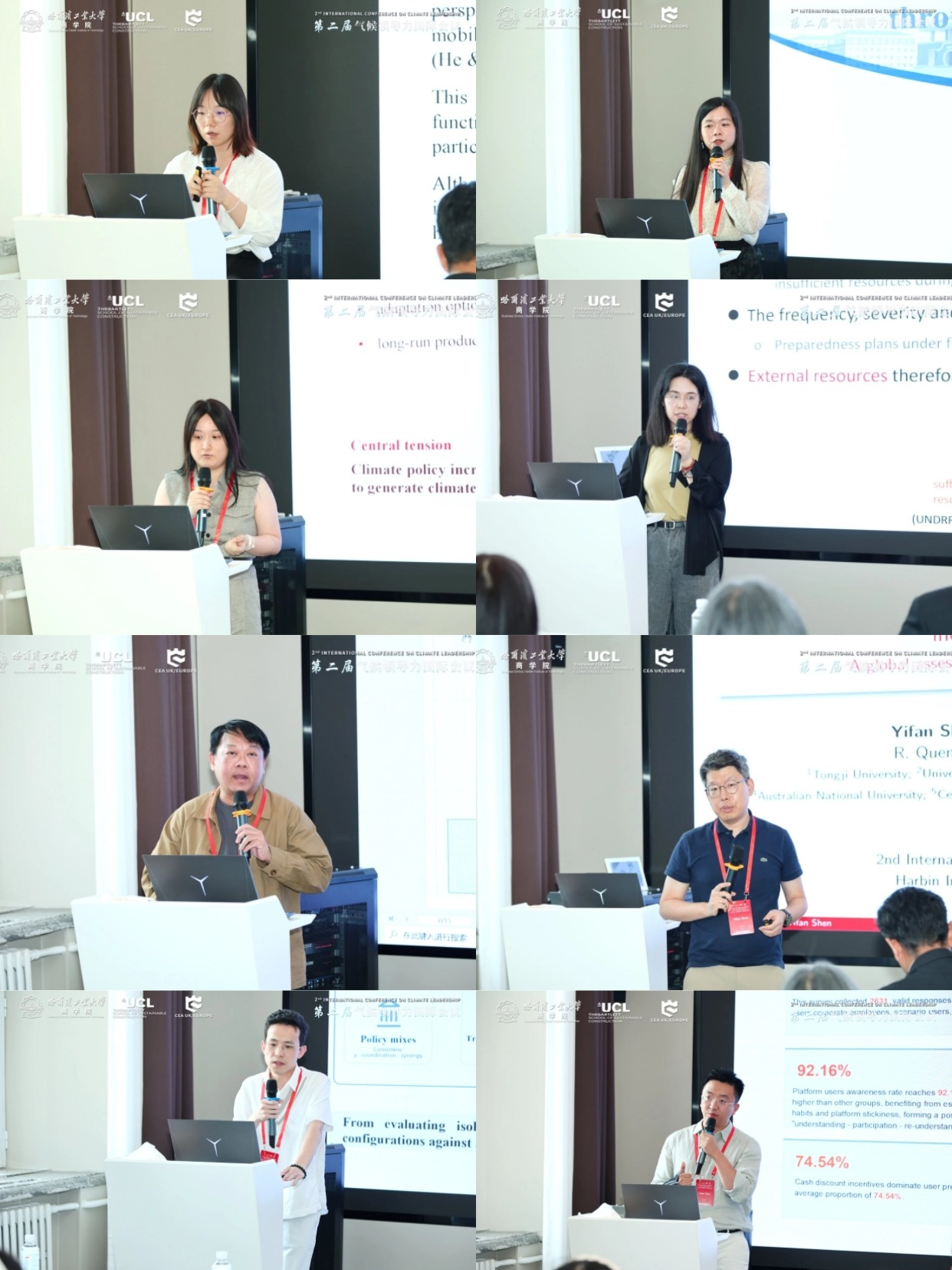
The forum's third theme focused on energy transition governance and public participation. The Energy Transition Vulnerability Index shows that the Global South is more vulnerable and the North–South gap has not narrowed; vulnerability can decline significantly with progress in poverty reduction, education, technology, and energy efficiency, and the transition must balance emissions reduction with coping capacity. A policy framework analysis found that renewable energy expansion relies on planning and Research and Development, coal power control depends heavily on administrative regulation, while coal phase-out, flexibility retrofitting, and market support remain weak; system integration capacity determines whether "expanding renewables while curbing coal" can become a coordinated substitution pathway.
Public participation in green travel is high, but gaps remain in areas such as idle asset recycling; a unified carbon account system and tiered incentives are needed. Frontline public officials' behavior is driven by leadership support, clear requirements, and value identification—knowledge alone is insufficient, and interactions with colleagues and residents modify the effect; stable organizational signals and engagement are necessary. Climate factual awareness has not automatically translated into action consensus, and expression on Global South and equity issues remains inadequate; daily social media expression is stable, policy discourse rises periodically, and emotional expression peaks during extreme weather and public welfare events, with increased volatility after 2020—communication must account for nonlinear dynamics. In capital markets, empirically validated climate beliefs have compressed green stocks' return advantage, allowing the carbon premium to be more fully reflected. The public holds a dual perception of Artificial Intelligence's climate benefits and burdens; information disclosure should help stakeholders understand energy consumption, emission-reduction applications, and governance trade-offs. Sustainable construction should address the embodied carbon and waste from indoor renovation, promoting dismountable design and material tracking.
The two-day discussion demonstrated that climate vulnerability cannot be captured by a single environmental indicator. Air pollution affects both children and public services; compound drought impacts agriculture, health, and knowledge production; and transition effectiveness depends on institutional fairness and public participation. The evidence and solutions proposed by scholars provide a valuable reference for identifying high-risk groups, improving adaptation policies, and bridging individual and systemic transformation. Harbin Institute of Technology Business School said it will continue to foster academic exchange and practical application in this field, contributing to enhanced climate resilience.


